Abbaye de la Lucerne
Charpentier : Une couronne de roses
BilletterieThe reign of Louis XIV was marked by a king who loved the arts, was passionate about technology, and was so ambitious that he was often overly expansionist. This towering figure transformed the course of history, geography, science, and society—from his own time to the present day—and revolutionized urban planning.
In this transformation of cities, religion—closely linked to royal power—also played a significant role. The revival of Marian devotion in the 17th century led to the construction of numerous convents in Paris, at a pace not seen since the 13th century. The fervor of the time, as well as the founding of convents by powerful women (wealthy widows or repentant ladies of the court), led to a significant increase in the number of convents in and around the city: of the one hundred women’s convents in Paris that were closed during the Revolution, eighty had been founded in the 17th century… Their physical presence in the city—in the form of buildings and large gardens—is significant. Far from being closed off to the public, these institutions played a decisive role in the evolution of society at the time, providing social services (for the homeless, foundlings, and the elderly), educational programs, medical care, and more.
This central role has a clear impact on the artistic sphere: these institutions often enlisted the services of great musicians to contribute to their musical life. Marc-Antoine Charpentier, for example, composed for several abbeys and religious houses, including the Abbaye aux bois, the Jesuit Novitiate, the Abbey of Montmartre, and the Abbey of Port-Royal.
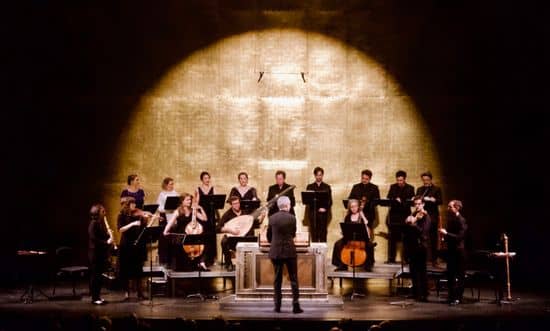
Among the places he frequented regularly, the Convent of La Merci was undoubtedly the one closest to his heart: the order was established by Marie de’ Medici in 1613 on Rue du Chaume—now Rue des Archives—just a short walk from the Hôtel de Guise, where Charpentier was staying. As the Duchess of Guise was one of its principal patrons, this church serves as the parish church for the religious life of her household, complementing the small chapel located within it. It is also her “music”—that is, the singers, instrumentalists, and composers she employs—that provides the bulk of the musical life. The vast majority of the motets in this program perfectly reflect the ensemble that might have performed them at the time and the style of works that enlivened the services.